What is a Toto?
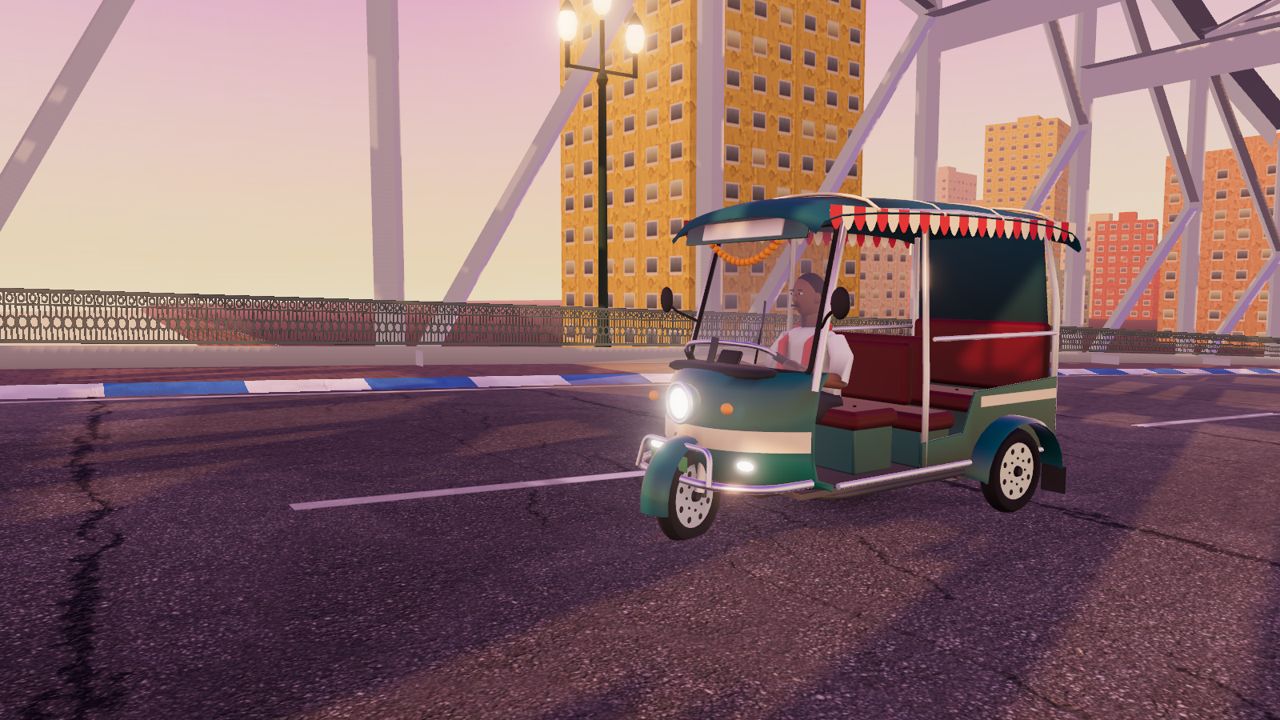
Across Kolkata, Howrah and districts across West Bengal, a battery-powered three-wheeled passenger e-rickshaw is universally called a Toto. Built around an open tubular steel frame, a single steered front wheel, two rear driven wheels, a colourful fringed canopy and facing passenger benches, the Toto has become the backbone of last-mile neighbourhood transport across eastern India.
How a Toto differs from an auto or cycle rickshaw
| Feature | Toto (E-Rickshaw) | Auto-Rickshaw | Cycle / Hand Rickshaw |
|---|---|---|---|
| Powertrain | 48V–60V battery bank + electric hub/axle motor | CNG, LPG or petrol 4-stroke engine | Human pedal power (or hand-pulled in old lanes) |
| Typical Speed | 20 – 25 km/h in city traffic | 40 – 55 km/h on arterial roads | 10 – 15 km/h |
| Noise & Emissions | Near-silent, zero tailpipe emissions | Distinct engine rumble | Silent |
| Primary Role | Short feeder hops from metro/rail stations into narrow lanes | Point-to-point trunk and shared fixed routes | Hyper-local trips inside congested bazaars |
Why three wheels handle unlike a four-wheel car
A conventional car rests on a four-corner rectangle. A Toto sits on a triangle with a single narrow wheel at the front and a relatively high centre of gravity under its canopy roof. When you steer sharply at speed, centrifugal force pushes weight onto the outer rear tyre while unloading the inner rear wheel. Enter a corner too fast, or strike a raised kerb sideways, and the inner wheel lifts—leading to a rollover unless you counter-steer or lift off the throttle.
How Toto Boss models Toto physics
Rather than faking arcade car physics, Toto Boss simulates a sprung three-wheel chassis at 120 physics steps per second (DT = 1/120):
- Independent suspension & body roll: Each of the three wheels compresses independently over ramps, crests and kerbs, visibly leaning the canopy and hanging fringe trim as you corner.
- Tyre slip & surface grip: Lateral grip falls off smoothly as you exceed tyre adhesion—allowing controlled drifts on dry asphalt while making wet tram lines and monsoon puddles genuinely slippery.
- Rear-wheel electric drive & regen: Torque drives the rear axle cleanly off the line, with gentle regenerative drag when you lift off the accelerator.
- Arcade boost & safety note: Real Totos are capped around 25 km/h for passenger safety; Toto Boss scales electric speeds above 100 km/h (and adds nitro and roof gadgets) purely for arcade racing fun. Always ride and drive safely on real roads.
Explore the 4 playable Totos and their upgrades in the Weapons & Garage Guide.